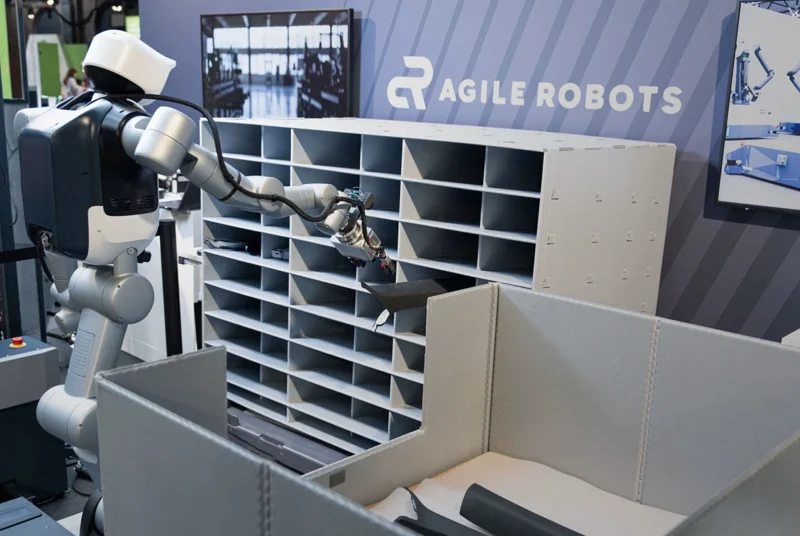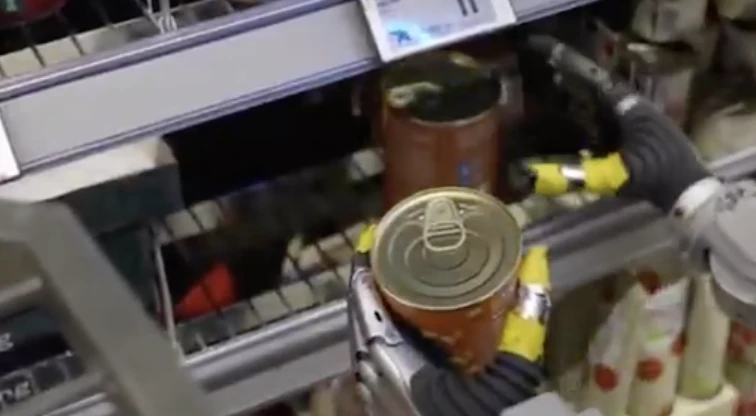
HIVE Robots and Danish supermarket chain føtex, part of Salling Group, are testing humanoid robots for shelf replenishment after closing time. The partnership was announced in March, and HIVE now describes live supermarket test sessions alongside a 2027 launch-partner programme. The shelf-stacking night shift is becoming a robotics use case, although a human is still very much on the team.
The original pilot uses humanoid hardware supplied by Unitree, with human operators demonstrating how to handle products. HIVE’s current retail programme combines AI with remote robotpilots and its Heimdall control and data platform. Retailers book operating hours rather than buy the robot outright; the service includes the machine, pilots, maintenance and reporting. Published hourly pricing is not available.
The current roadmap is more specific than a promise of instant autonomy. The first operating phase has one robot and one dedicated teleoperator, followed by a phase with three robots and two operators. One operator supporting several robots comes later, as AI takes on more of the work. HIVE and føtex’s partnership announcement places the initial trials at night, while stores are closed, in a controlled environment. This is a staged deployment with human supervision, rather than an unattended robot workforce already roaming supermarket aisles.
Why is this important?
Supermarket shelves were built around people, products vary, and low shelves remain inconvenient regardless of how fashionable the robot looks. HIVE is testing whether a humanoid service can handle that existing environment while leaving store staff more time for customers. The practical measure will be reliable replenishment at a workable cost, including the remote operators. The 2027 partner programme offers a route to wider trials; it does not establish that those economics or full autonomy have already been achieved.