In a market saturated with six-figure humanoids and five-figure robot dogs, Y Combinator-backed startup Nori Robotics has thrown down a gauntlet with a price tag that won’t require a second mortgage: $1,688. The San Francisco-based company has opened pre-orders for its Nori L3, a wheeled, dual-armed robot designed to take on household chores like folding laundry, loading the dishwasher, and pouring drinks.
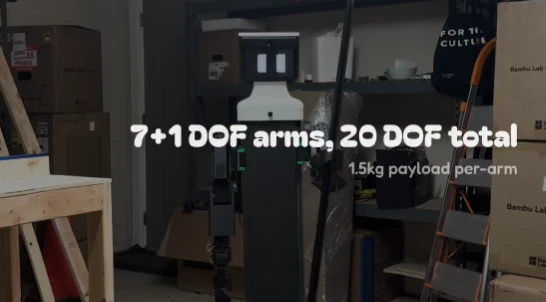
The Nori L3 is a mobile manipulator that navigates on a wheeled base, topped with a torso and two arms that boast a total of 20 degrees of freedom. Each arm can handle a payload of 1.5 kg (about 3.3 lbs). For vision and navigation, it’s equipped with four 720p RGB cameras and a LiDAR sensor with a 12-meter range. The company claims a battery life of 6-8 hours, which should be just enough time for it to fold a load of towels and contemplate the futility of its own existence.
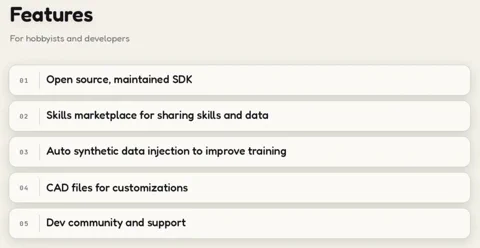
Of course, a sub-$2,000 price for a capable home robot seems too good to be true, and for the average consumer, it currently is. Nori is transparently targeting hobbyists and developers first. The real product here is the platform itself, which comes with an open-source SDK, a “skills marketplace” for sharing trained behaviors, and even the CAD files for users to create their own modifications. The robot can be trained via a no-code laptop app or controlled directly through teleoperation.
Why is this important?
The Nori L3’s primary innovation isn’t its hardware, but its aggressive price point. By using low-cost servos combined with smart design, Nori is attempting to democratize access to physical AI hardware that has historically cost tens of thousands of dollars. This could unleash a wave of creativity from developers building practical skills for a standardized home platform.
However, the spec sheet reveals the compromises. A 1.5kg payload means the robot can’t lift a gallon of milk, and the Fall 2026 shipping date is a long time to wait in a rapidly evolving industry. For $1,688, the Nori L3 is the most ambitious robot platform you can pre-order today. Whether it will be folding your laundry in 2026 or just folding under the weight of its own promises remains to be seen. For that price, many developers will likely decide it’s a risk worth taking.