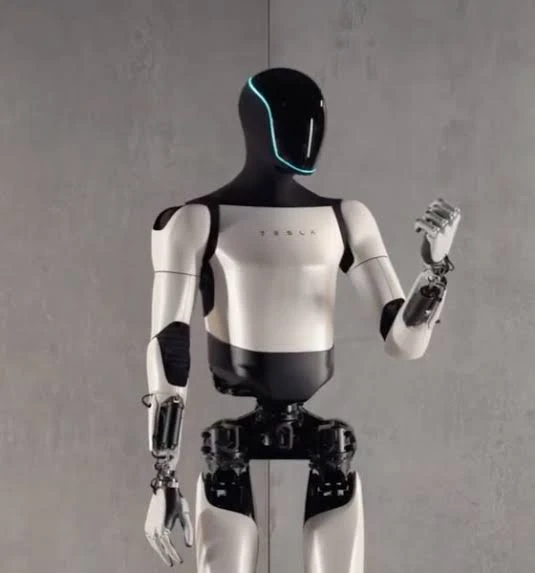
Tesla, Inc. is reportedly preparing to flood the world with humanoid robots, setting aggressive production targets for its Optimus project that would see it building capacity for up to 100,000 bots annually by the end of this year. The move signals a dramatic pivot from research and development to full-blown mass production for the ambitious program.
According to supply chain sources, Tesla has issued directives to suppliers to prepare for a capacity of 1,000 units per week by September 2026, ramping up to between 2,000 and 2,500 units per week by December. The report also notes that initial orders for several hundred units are already queued for August, suggesting the production lines—built in the Fremont factory space formerly used for the Model S/X—are beginning to stir.
This sudden manufacturing blitz allegedly follows a personal sign-off on the latest build of Optimus—presumably Optimus Gen 3—by CEO Elon Musk in late June. After more than three years in the R&D pressure cooker, this approval appears to have flipped the switch from lab experiment to mass production. In a move that will shock approximately zero people, Musk reportedly backed this directive with a rather pointed incentive: hit the year-end targets or the entire Optimus procurement department will be replaced.
Why is this important?
If these supply chain whispers are true, Tesla is not just building a robot; it’s building a robot army. A production capacity of 100,000 units a year would dwarf the entire existing humanoid robotics market, potentially turning a niche field into a mainstream industrial product overnight. While Musk has tempered public expectations, stating that the initial production ramp will be “extremely slow,” the internal targets suggest a different level of urgency. The “fire everyone” ultimatum, whether literal or theatrical, signals an unwavering conviction that Optimus is ready for primetime. The rest of the robotics industry, which typically measures progress in single-digit prototypes, may soon have to contend with a competitor that measures output in the tens of thousands.