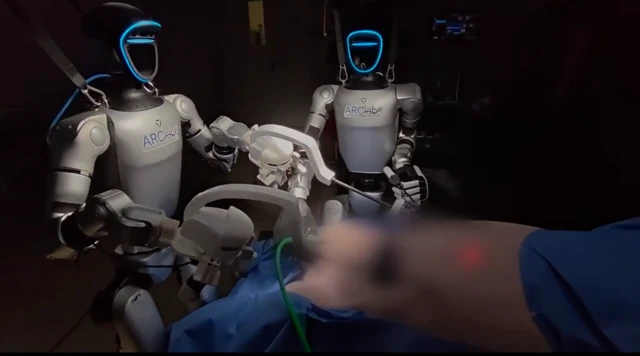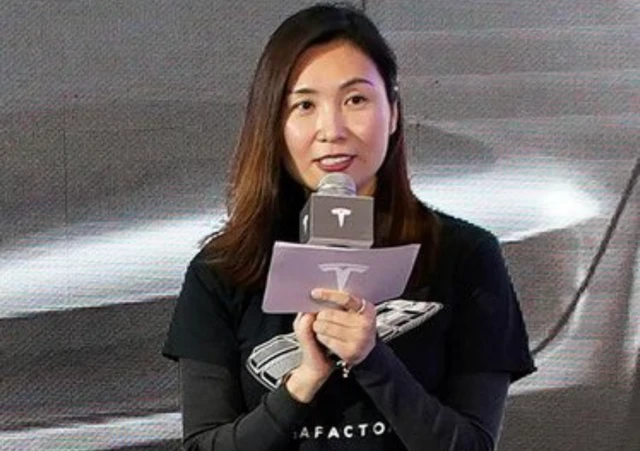
Tesla, Inc. has finally put a firm date on its humanoid robot ambitions. Speaking at the 2026 Global Digital Economy Conference in Beijing, Vice President Grace Tao announced that the Tesla Optimus will enter large-scale mass production by the end of 2026. This isn’t just a pilot program; the company is reportedly targeting an audacious long-term annual production capacity of one million units.
The announcement adds a dose of—well, let’s call it “scheduled ambition”—to CEO Elon Musk’s grand vision for a robot-powered future. Tao’s keynote confirms that the initial manufacturing push will happen at the company’s already-cramped Fremont, California factory. How Tesla plans to shoehorn a production line for a million bipedal robots into a facility already pushing its limits on vehicle output remains a logistical puzzle that only a master of production hell could solve. The company has been showcasing increasingly competent Optimus prototypes, which have thankfully evolved from a human in a spandex suit to bots capable of sorting objects and performing delicate factory tasks.
Why is this important?
This is Tesla’s most concrete commitment to a non-automotive product that could, in Musk’s own words, eventually be “more significant than the vehicle business.” If Tesla can even approach its target production numbers and hit Musk’s oft-repeated price point of under $20,000, it would radically undercut every other humanoid robot on the market. This move isn’t just about automating Tesla’s own factories; it’s a direct shot at creating a general-purpose labor force. Of course, this is Tesla, where timelines are more like suggestions than hard deadlines. But putting a date and a production target on the board transforms Optimus from a flashy R&D project into a product with a P&L statement breathing down its neck. The robot revolution won’t be televised; it’ll be mass-produced in Fremont, apparently.