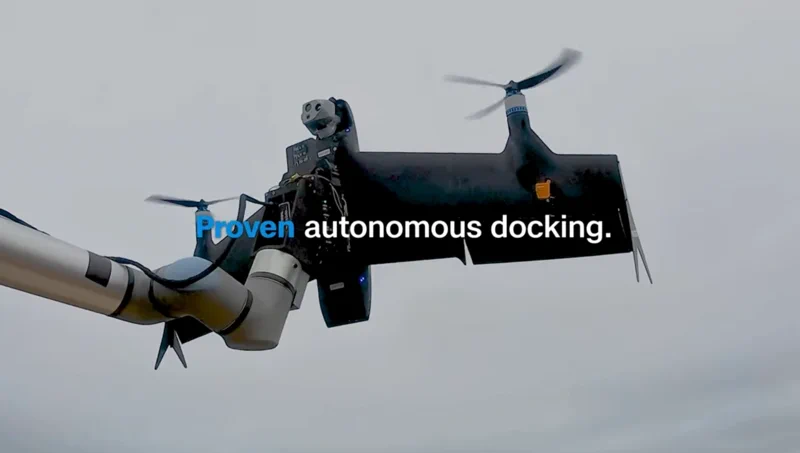
Catching a fixed-wing drone traveling at 100 km/h (about 60 mph) with a robotic arm sounds like a rejected stunt from a Mission: Impossible movie. But for U.S. drone manufacturer Skydio, it’s a very real, and very impressive, demonstration of its new Skydio F10 aircraft. The company released a video showcasing the drone’s “Robotic Takeoff and Landing” (RTOL) capability, and to be clear, they insist it’s a live demonstration, not a render.
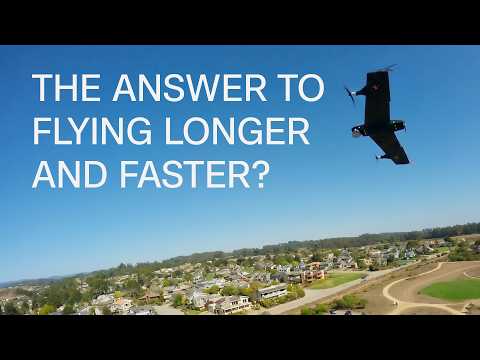
The F10 is a fixed-wing drone purpose-built for the “Drone as First Responder” (DFR) market, designed to give public safety agencies a serious advantage. With a top speed of 100 mph and an endurance of over 90 minutes, it’s engineered for missions that require covering large land areas, responding over long distances, or keeping pace with high-speed ground pursuits without endangering officers. The F10 is built on the same autonomous flight technology that powers the Skydio X10, a quadcopter already deployed by more than 1,200 public safety agencies across the United States.
Why is this important?
A fixed-wing drone that can autonomously launch and land on a compact robotic platform is a logistical game-changer. It eliminates the need for runways or large, clear recovery zones, and it means a highly skilled pilot isn’t required on-site for takeoff or recovery. This “dock to sky and back” system allows for rapid, reliable deployment from fixed locations or even vehicles, as demonstrated in a presentation where the dock was mounted on a Tesla Cybertruck. For rural areas where response times can be lengthy, or for sustained surveillance during long incidents, the ability to autonomously cycle drones with minimal human intervention means faster intelligence and increased safety for emergency personnel. Skydio expects the F10 to be available for early access customers in the first half of 2026.