In a move that feels surgically designed to separate engineers from their sleep, Shenzhen-based EngineAI Robotics Technology Co., Ltd. has officially launched the Ultimate Robot Knock-out Legend (URKL)—a global humanoid robot fighting league with a top prize of ¥10,000,000 (approx. $1.4 million). But before you start welding a titanium cage to your Roomba, there’s a critical catch: the rules are strictly “non-violent.”
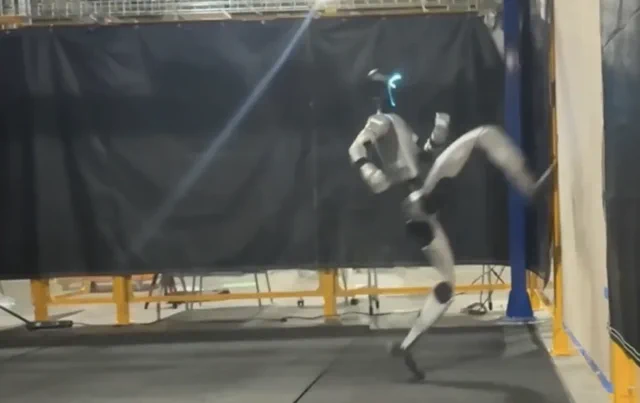
This isn’t your typical metal-on-metal carnage. Instead of destructive modifications, the league is a high-stakes software showdown. All teams will compete using a standardized humanoid platform, the aptly named T800, forcing them to win through superior code, smarter motion control, and more effective protective gear. The T800, which stands 1.73 meters tall and weighs 75 kg, becomes the ultimate testbed for balance and control algorithms under duress.
The prize pool is substantial enough to make any developer reconsider their life choices. The winner takes home the ¥10 million grand prize, with second and third place pocketing ¥2 million and ¥1 million, respectively. As an added perk, any team that qualifies for the Top 16 gets to keep their T800 robot, and the Top 8 finalists are fast-tracked to final-round job interviews at EngineAI. Registration is open from March 1 to April 30, with global finals slated for December 2026 through January 2027.
Why is this important?
Let’s be clear: this is less about creating a new spectator sport and more about creating the world’s most intense, gamified recruitment and R&D program. By standardizing the hardware, EngineAI has cleverly shifted the competition from a resource-draining hardware race to a pure contest of software and AI ingenuity. The URKL serves as a high-stress, real-world testbed for the very technologies—balance, perception, and motion control—that are critical for deploying humanoid robots in industrial and commercial settings. Essentially, the company is crowdsourcing solutions to some of robotics’ hardest problems, dangling a life-changing prize, and getting a front-row seat to scout the world’s best talent. It’s a brilliant, if slightly diabolical, way to accelerate development.