Just when you thought the robotics market couldn’t get more crowded, a new player named Zeroth has emerged from stealth at CES 2026, opening pre-orders for two aggressively priced robots set to ship by April 15, 2026. The lineup includes the M1, a small humanoid assistant for a startlingly low $2,399, and the W1, a rugged cargo carrier for $4,999.
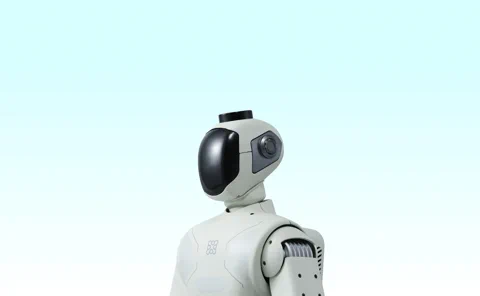
The M1 is a 494mm (19.4-inch) tall “embodied intelligence” designed for home companionship and assistance. It navigates using a combination of bipedal walking (at a leisurely 0.05 m/s) and a faster wheeled mode (0.6 m/s). Zeroth has packed it with a sensor suite including LDS LiDAR for mapping, an iTOF depth sensor, and vision cameras, all aimed at making it a helpful, non-threatening presence in the home. With a two-hour runtime and one-hour fast charging, it’s clearly targeting the nascent consumer market.
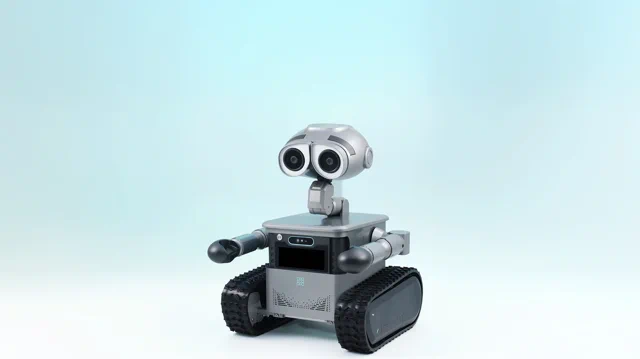
Its stablemate, the W1, is less about companionship and more about grunt work. This compact, tracked robot is built to follow its owner, carry a 20kg (44 lbs) payload, and pull up to 50kg (110 lbs). It’s essentially a pack mule that doubles as a mobile power station, offering up to 120W of output from a USB-C port. The W1 is powered by an 8-core Horizon Sunrise Series CPU, a processor line from Horizon Robotics typically found in edge AI and automotive applications, suggesting a focus on efficient, real-world navigation.
Not content with just two entry-level bots, Zeroth is also teasing a full-size humanoid named Jupiter, with a price tag of $89,999, signaling the company has ambitions far beyond the consumer-grade market.
Why is this important?
In a world where humanoid robots from established players are either not for sale or cost anywhere from $90,000 to over $250,000, Zeroth’s pricing is, to put it mildly, audacious. The sub-$3,000 price point for the M1 humanoid, while for a much smaller and less capable machine, is a direct challenge to the industry’s pricing conventions. It suggests a strategy focused on capturing a mass market early, betting that hardware commoditization can outpace the development of more sophisticated, and expensive, competitors. The big question, as always, will be whether the software and real-world utility can live up to the promise of the price tag.