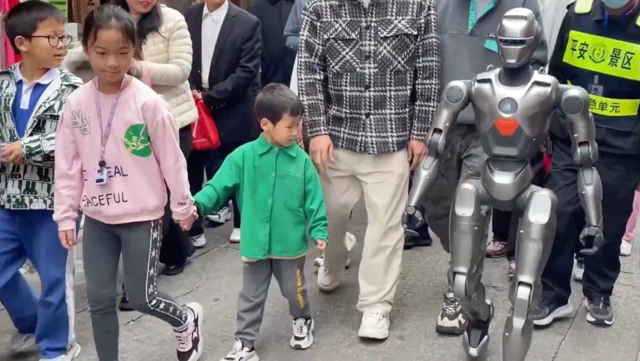
In a move that surprised approximately no one familiar with his penchant for audacious timelines, Tesla, Inc. CEO Elon Musk has declared that the company’s Optimus humanoid robot will be available for public sale by the end of 2027. The announcement came during an interview at the World Economic Forum in Davos, Switzerland, a venue typically reserved for discussions on global economics, not the impending arrival of your personal robotic assistant.
According to Musk, a handful of Optimus units are already performing “simple tasks” within Tesla’s factories. He anticipates they will graduate to more complex duties later this year. However, the leap from a controlled factory floor to the chaotic variable-rich environment of a suburban home is, to put it mildly, substantial. Musk hedged his bet with a familiar caveat: the public release is contingent upon Tesla being “confident that it’s very high reliability, very high safety and the range of functionality is also very high.” In essence, you can buy one when it’s ready, and it will be ready by the end of 2027—probably.
Why is this important?
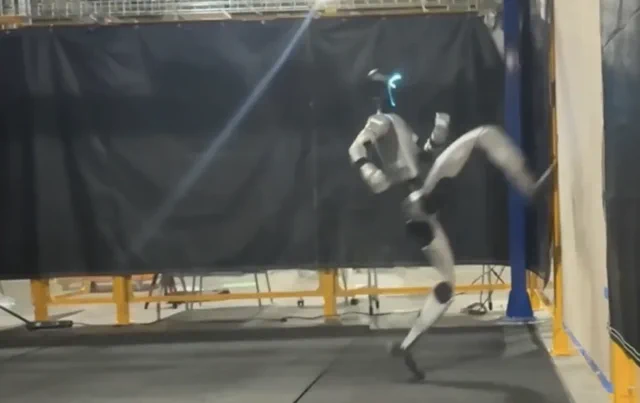
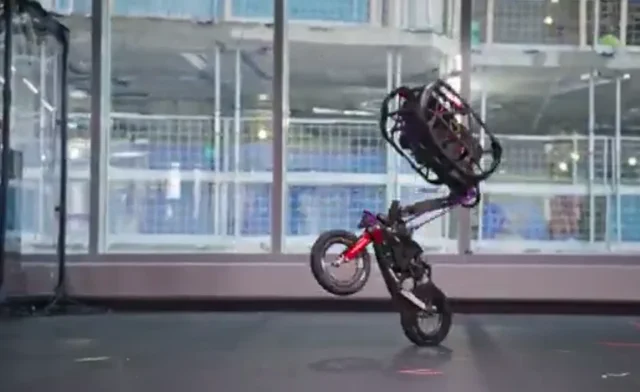
Musk’s timeline isn’t just ambitious; it’s a direct challenge to a rapidly crowding field of competitors. While Tesla’s demos have faced scrutiny for potentially involving remote human operators, companies like Figure AI, Agility Robotics, and Apptronik are already deploying their humanoids in real-world industrial settings. The race is on to crack the code of a general-purpose humanoid, a market that some analysts predict could be worth trillions.
This announcement firmly pushes the dream of the consumer humanoid robot from science fiction into the product roadmaps of a major tech company. While industry experts remain skeptical of such a rapid transition from factory workhorse to domestic helper, Musk has a track record of setting seemingly impossible goals to galvanize progress. Whether we’ll be asking an Optimus to fold our laundry in 2028 or just watching another slick demo video remains to be seen.