Just when you thought your social media feeds were safe, they’re back. The phantom menace of the toy world—cheap, so-called “AI” robot dogs—is once again flooding platforms with slick, misleading advertisements. Under names like “Wuffy Puppy,” “Nico,” or a dozen other quickly disposable brands, these products promise advanced artificial intelligence and lifelike companionship for a suspiciously low price. The reality is a cheap plastic toy that can barely walk straight, powered by technology that was underwhelming in the 90s.
The marketing playbook is as cynical as it is effective. Scammers use AI-generated videos, sometimes featuring real puppies instead of the actual product, to create a completely false impression of the toy’s capabilities. These ads, often seen on YouTube, target unsuspecting buyers, with some campaigns clearly aimed at elderly consumers looking for a gift. One Reddit user noted an ad featuring a “grandmother” praising how realistic the puppy was for her granddaughter—all heavily AI-generated. This is paired with fake countdown timers and perpetual “50% off” sales to create false urgency.

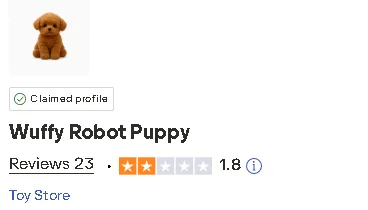
Beyond the obvious deception, these toys pose tangible risks. As we’ve warned before in our previous coverage of That Viral AI Robot Dog Is a Holiday Shopping Scam , the build quality is often abysmal. The most significant concern lies with the low-grade lithium-ion batteries and chargers, which can overheat, melt plastic casings, and in some cases, pose a serious fire hazard. Customer reviews on sites like Trustpilot are a wasteland of complaints, citing products that are nothing like the advertisement, break instantly, or never arrive at all.
Why is this important?
This persistent scam highlights a glaring failure in platform accountability. While Google’s advertising policies officially prohibit misrepresentation and deceptive practices, these ads continue to slip through the cracks, generating revenue for both the scammers and the platform. It demonstrates how easily the “AI” buzzword can be weaponized to mislead consumers who may not realize that true robotic intelligence costs thousands of dollars, not $39.99. Until platforms are held responsible for the fraudulent ads they serve, consumers are left to navigate a digital marketplace where seeing isn’t believing. Always check independent reviews, be wary of deals that seem too good to be true, and remember: if it promises Boston Dynamics on a dollar-store budget, it’s a lie.