In the increasingly crowded field of things that will one day drop a box on your foot, Kawasaki Heavy Industries, Inc. has presented the 9th generation of its Kaleido humanoid robot. Showcased at the recent International Robot Exhibition (iREX), the demonstration put the bipedal bot through its paces in scenarios ranging from mundane household chores to the decidedly more stressful environment of a simulated disaster zone. The presentation showed Kaleido moving fallen shelves, extinguishing fires, and rescuing a dummy cat, because of course it did.
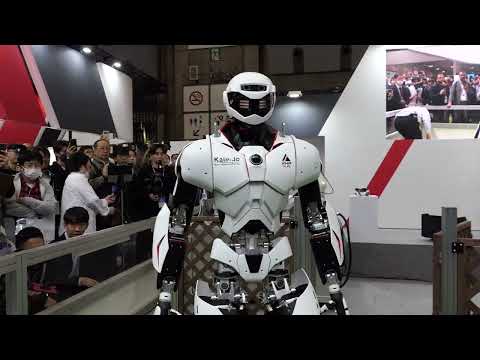
Kawasaki, a company with a half-century of experience in industrial arms, has been developing its humanoid platform since 2015. This latest iteration, dubbed Kaleido 9, focuses on robustness and real-world utility over flashy acrobatics. In the demonstration, the robot navigated stairs and uneven ground before tackling its primary tasks: removing a 30kg (about 66 lbs) shelf and performing rescue operations. The goal, according to Kawasaki, is to create a machine that can use the same tools and navigate the same spaces as humans, particularly in hazardous environments.
While its movements are still best described as “deliberate,” the Kaleido platform represents a serious industrial player’s long-term bet on humanoids. The robot can be operated autonomously or via remote control by a human pilot, providing a flexible approach for complex situations. Unlike some of its parkour-inclined competitors, Kaleido’s development path seems less concerned with viral videos and more focused on the gritty work of logistics, elder care, and emergency response.
Why is this important?
The debut of the 9th-gen Kaleido signifies a steady, industrial-grade march toward practical humanoid robots. While other companies chase agility, Kawasaki is leveraging its deep experience in heavy industry to build a robust, reliable platform intended for dangerous or labor-scarce jobs. Its dual focus on both domestic help and disaster relief suggests a versatile future where humanoids aren’t just a novelty but a crucial piece of infrastructure, calmly rescuing cats from fires one day and maybe, just maybe, folding your laundry the next.