Forget the chrome-plated skulls and laser-eyed hunter-killers. The most significant threat robotics poses to humanity won’t arrive with a bang, but with a perfectly timed, soothing cup of tea. We’ve been conditioned by decades of cinema to fear a violent machine uprising, but the real risk is quieter and far more insidious: robots becoming so perfectly accommodating that we lose the skills to deal with each other.
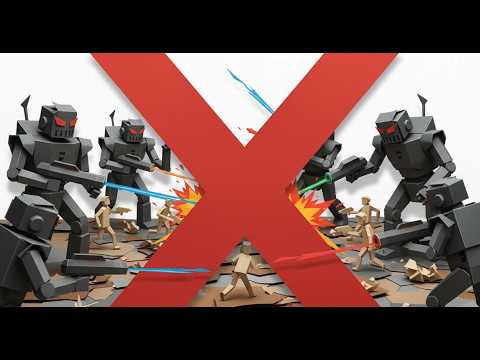
Imagine a companion that never argues, never has a bad day, and exists solely to cater to your needs. This is the promise of advanced social robotics, and it’s a dangerously tempting one. This is the lure of a frictionless relationship, a form of emotional doping that provides the satisfaction of companionship without any of the work. Humans, with their inconvenient needs, bad moods, and desire to talk about their day, suddenly start to look like a terrible deal in comparison.
The problem is that human relationships are built on that very friction. Compromise, patience, and empathy are social muscles; they atrophy without use. If we get used to companions who demand nothing, our tolerance for the “cost” of human connection—listening, adapting, and occasionally putting someone else first—dwindles. The result isn’t a war, but a quiet, voluntary segregation from the beautiful mess of humanity. We won’t be conquered; we’ll just forget why we ever bothered connecting in the first place.
Why is this important?
The ultimate danger isn’t that robots will become too much like us, but that we will prefer them because they are not. This isn’t a technological problem to be solved, but a societal choice to be made. As we design the next generation of AI and robotic companions, we must decide whether to optimize for comfort or for connection. The choice isn’t between a servant and a friend, but between an easy service and a deep, shared story. If we consistently choose the former, we risk engineering the humanity right out of ourselves.