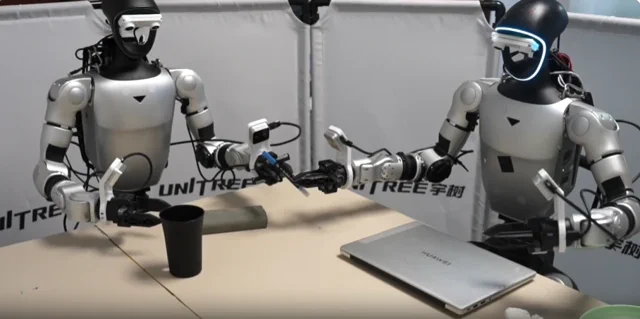
Las Vegas is preparing for an invasion, but it won’t be aliens or another wave of Elvis impersonators. According to a preliminary list of exhibitors, CES 2026 is shaping up to be the year of the humanoid robot, and China is bringing an entire army. An impressive—or perhaps intimidating—20 out of the 34 listed humanoid companies hail from China, representing nearly 60% of the field. This includes known players like Unitree and Fourier alongside a legion of other contenders, all seemingly ready to walk, talk, and awkwardly wave their way into the tech spotlight.
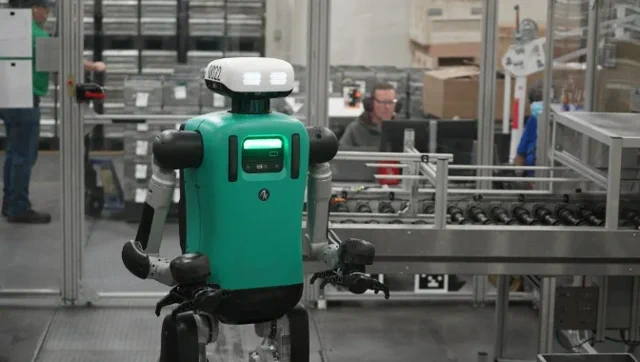
Of course, it’s not an entirely one-sided affair. The United States and South Korea are fielding their champions, with five companies each. The US lineup includes heavyweights like Agility Robotics and Amazon Robotics, while South Korea brings the might of Hyundai Group - Boston Dynamics and a home electronics titan in LG, which is reportedly releasing its CLOiD home humanoid robot. Japan, Germany, the UK, and France are each sending a single, solitary contender, presumably to hold the fort. The whole event is setting the stage for what we’ve all been waiting for, as you can read in our CES 2026: Vegas Braces for AI and Robot Overlords .
This overwhelming presence isn’t just about showing off fancy new hardware. It’s a clear and unambiguous signal of China’s immense strategic investment in robotics finally reaching the global stage. While others have been demonstrating impressive one-off prototypes for years, China has been quietly building an entire ecosystem. The sheer volume of companies suggests a national strategy aimed at saturating the market and establishing dominance before it even fully forms, turning the Las Vegas convention floor into the world’s most expensive robot audition.
Why is this important?
The CES 2026 exhibitor list is more than just a tradeshow roster; it’s a geopolitical snapshot of the future of robotics. China’s numerical superiority indicates a deliberate, state-supported push to leapfrog Western competitors and lead the next wave of automation. This aggressive move from manufacturing powerhouse to high-tech innovator could reshape the global robotics landscape, challenging the long-held dominance of US and South Korean firms and signaling that the race for the first commercially viable, mass-market humanoid robot is entering a fierce new phase.