The gig economy, it seems, has finally come for our future robot overlords. In what feels like an inevitable headline from a William Gibson novel, China has officially launched its first open robot rental platform. Dubbed BotShare (and known locally as Qingtian Rent), the new service aims to make hiring a humanoid robot as mundane as renting a power bank or hailing a ride. Because if you’re going to throw a wedding, why not have a bipedal machine deliver the rings? It’s 2025, after all.
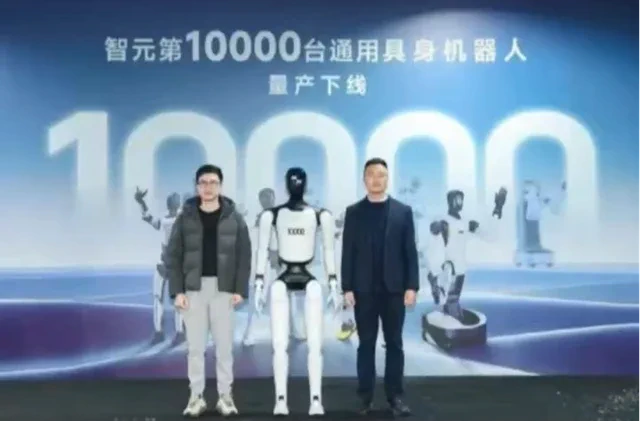
Launched in Shanghai on December 22nd, the platform is the brainchild of AgiBot, China’s most valuable embodied intelligence startup. The company, already a unicorn, is betting big that the high sticker price of advanced robotics is the main bottleneck to mass adoption. Their solution? A Robotics-as-a-Service (RaaS) marketplace connecting robot manufacturers, developers, service providers, and anyone with a sudden, desperate need for a robot to dance at their corporate gala. “In the future, the threshold for renting a robot will drop significantly,” said Jiang Qingsong, an AgiBot partner and chairman of BotShare, perfectly capturing the spirit of the times.
The Billion-Yuan Rental Racket
This isn’t just a quirky startup idea; it’s a calculated move on a market that industry leaders project will explode. Forecasts suggest China’s robot rental sector will surge tenfold to a staggering 10 billion yuan (about US$1.41 billion) by 2026. The demand is apparently already surging for short-term hires in the events, wedding, and education industries. BotShare is hitting the ground running with a network already covering 50 core cities, with over 600 service providers and a fleet of more than 1,000 bots ready for deployment.
The launch event in Shanghai’s Pudong New Area was a veritable menagerie of modern robotics. On display were AgiBot humanoid robots and robotic dogs, AheadForm bionic robots, and even ULS Robotics exoskeletons. Demonstrations included the aforementioned ring-bearing wedding bots, synchronized dancing machines for parties, and hyper-realistic “female” robots acting as event hosts. It’s a bold vision of the future, where your temporary staff might need an oil change more than a coffee break.
Pricing in the Wild West of Robotics
So, what does it cost to rent a temporary metallic friend? The pricing structure is, to put it mildly, fluid. Official standardized rates haven’t been released, but inquiries on-site revealed a massive range. A simple robotic dog might set you back just 200 to 500 yuan (about $28-$70) per day. A more capable humanoid for a corporate event could be around 2,000 to 5,000 yuan per day.
But for truly specialized tasks, the sky’s the limit. One “sports competition” package involving two quadruped robots can cost up to 99,800 yuan (nearly $14,000) for a single day’s rental. This volatility is a hallmark of an immature market. The industry saw a massive price bubble earlier this year after a performance by Unitree Robotics at the Chinese New Year Gala sent daily rental rates into the tens of thousands of yuan, a hype that quickly cooled as AgiBot and others ramped up mass production. BotShare’s success will hinge on its ability to tame this chaos and address core industry challenges like unstable pricing, seasonal demand swings, and incompatible software standards between different brands.
The Grand ‘1234’ Strategy
Behind the launch is a clear, if somewhat jargon-heavy, roadmap. BotShare has announced its “1234 strategy,” which aims by 2026 to:
- Onboard more than 10 original equipment manufacturers.
- Build a network of over 200 top-tier rental service partners.
- Attract more than 3,000 content and application creators.
- Serve over 400,000 rental customers.
The plan is to expand the service from its current 50 cities to over 200 by the end of 2026. While the initial focus is on the glitz and glamour of entertainment and event rentals, the company plans to pivot toward the more lucrative industrial and manufacturing sectors, with pilot programs slated to begin in 2026.
This platform is more than just a novelty rental service. It represents a pivotal step in the commercialization of embodied intelligence in China, backed by a government eager to lead in advanced technology. By lowering the barrier to entry, BotShare is creating a vast, real-world testing ground for robotic applications. The data gathered from these hundreds of thousands of rentals will inevitably feed back into the development of more capable and reliable machines. For now, if you need a robot to liven up your next party, you know who to call. Just make sure your Wi-Fi is strong.