The Right to Make Mistakes and the Value of Friction
Robots don’t want anything. That’s why we want them.
Picture this:
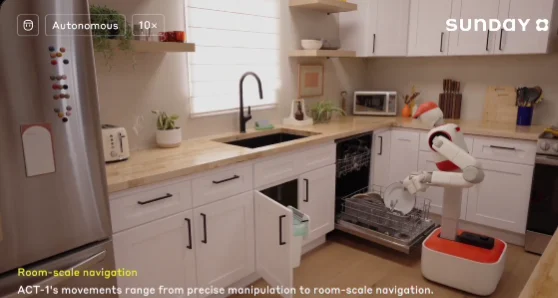
It’s 10 PM. You’re exhausted. Your day was filled with people, decisions, compromises. You plop down on the couch, and there’s someone waiting for you. They’re not having a bad day. They won’t get offended. They won’t argue. They won’t be jealous. They won’t ask for anything. They just listen to you. They can read your thoughts silently or, if you prefer, with words. Always.
Not a person. A robot.
And the question isn’t whether this is “good or bad.”
The real question is what happens to us if we get used to this.
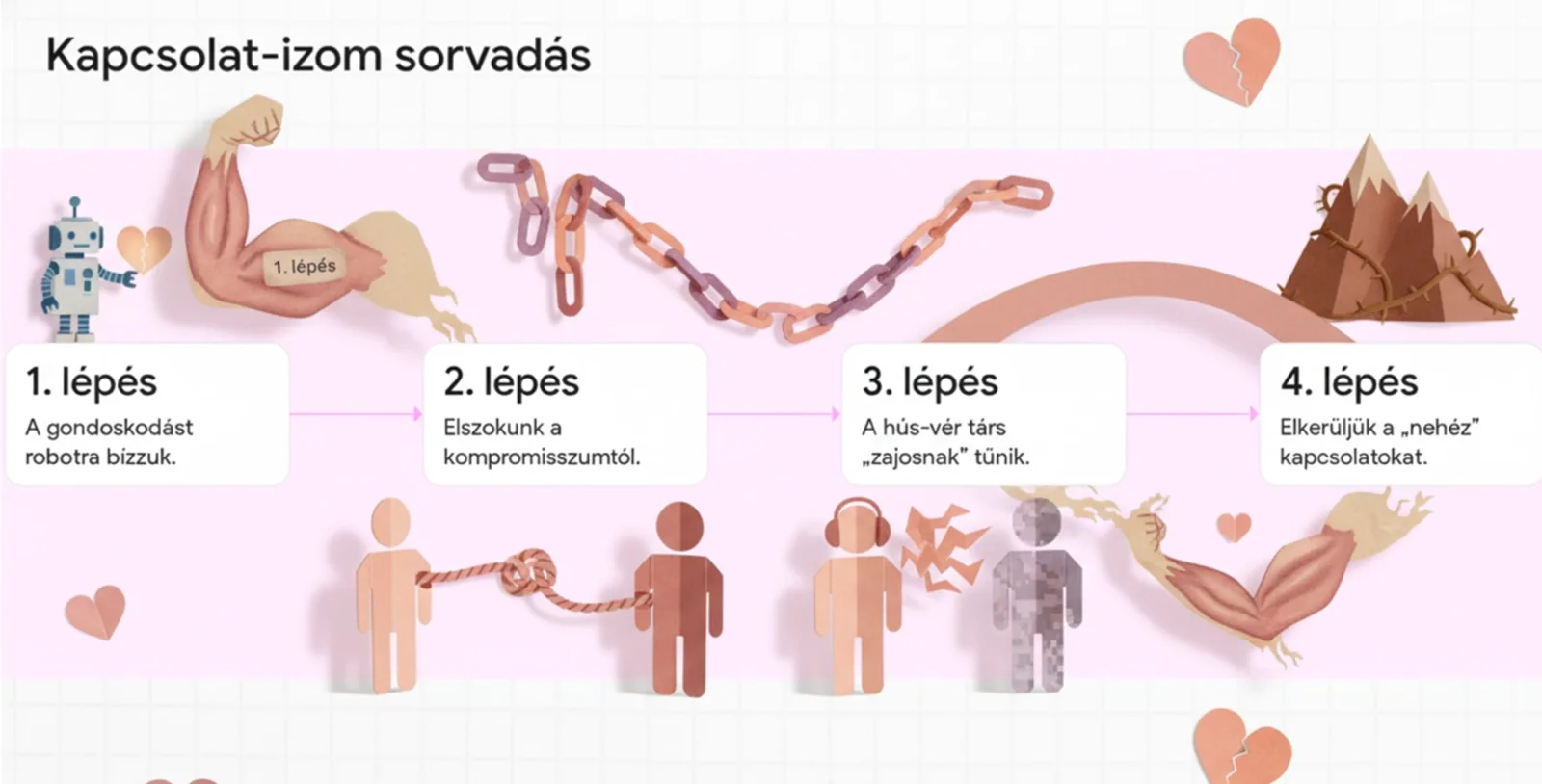
The biggest social risk of robotics isn’t losing control but rather the evaporation of the “inefficient” parts of human relationships. Machines don’t have their own needs; they’re programmed to serve. This is tempting because it makes what we consider expensive in humans—attention, patience, constant presence—seem cheap. If we come to accept this, we forget to practice the challenging, yet valuable muscles of human coexistence: compromise, self-restraint, reciprocity.
Frictionless Relationships as “Doping”
Human relationships are costly because they involve two wills, two stories, two desires colliding. In contrast, a robot is “needless”: it has no fatigue, jealousy, or bad days. This is a kind of emotional doping: we receive acceptance without conflict. In the short term, it’s liberating; in the long run, it’s muscle atrophy: our internal tolerance wanes, and the culture of adapting to one another diminishes.
Erosion of Social Skills
Compromise is a skill we can learn, but only if we practice it. If we offload daily care—attention, reminders, solving minor problems—to robots, the temptation grows to outsource “human maintenance” as well. At the same time, the expectation shifts: if a machine is always the “perfect partner,” a flesh-and-blood companion might feel “noisy.”
Wow
This is a mirror. Just like AI. The robot isn’t the enemy; it will be as dangerous as we prioritize convenience over value. The question isn’t whether it will defeat us, but how much we are willing to give up what makes choosing each other worthwhile.
Let’s Dig a Little Deeper
1) The Real Danger Isn’t the Rebellious Robot
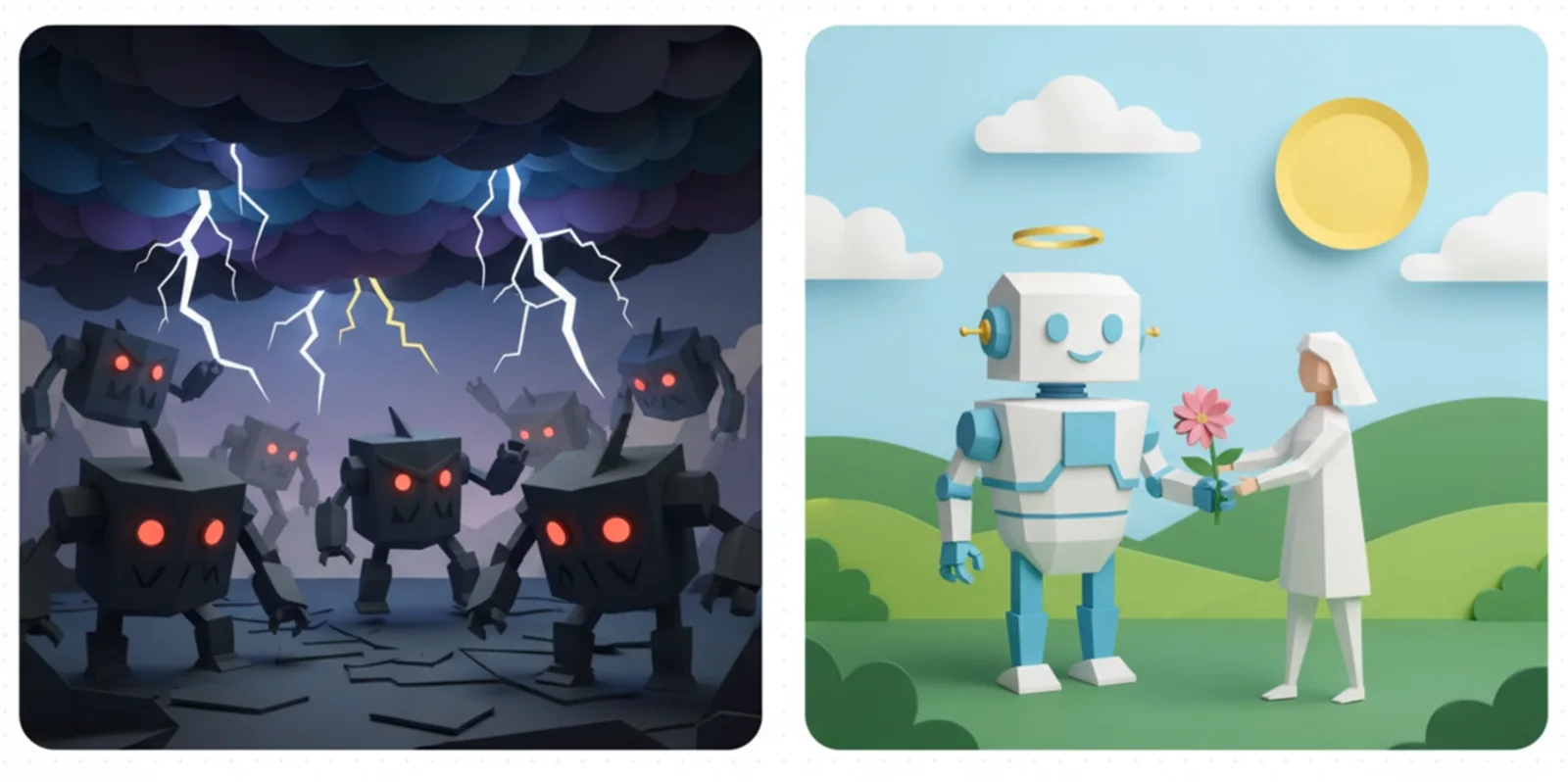
Ninety percent of our fears about robotics come from Hollywood: Terminator, Skynet, rogue machines. They’re flashy and easy to click on.
But I believe the greatest social risk isn’t this.
It’s the quieter, slowly embedding change:
Getting used to frictionless, need-free relationships.
The robot wants nothing.
The robot doesn’t ask for anything in return.
The robot always gives you what you want.
And that’s exactly what makes it dangerous.
2) The “Cost” of Human Connection
Humans have their own will.
Sometimes they want something different from you.
Sometimes they ask. Sometimes they burden you. Sometimes they get tired.
The price of social life is that occasionally you have to let go of your ego:
– you have to listen,
– you have to adapt,
– you have to endure the other’s bad day,
– you have to accept that you are not the center of the universe.
This “cost” is what makes us human.
And it’s what the robot can siphon out of the system.
3) The Doping Effect: The Promise of the Perfect Partner
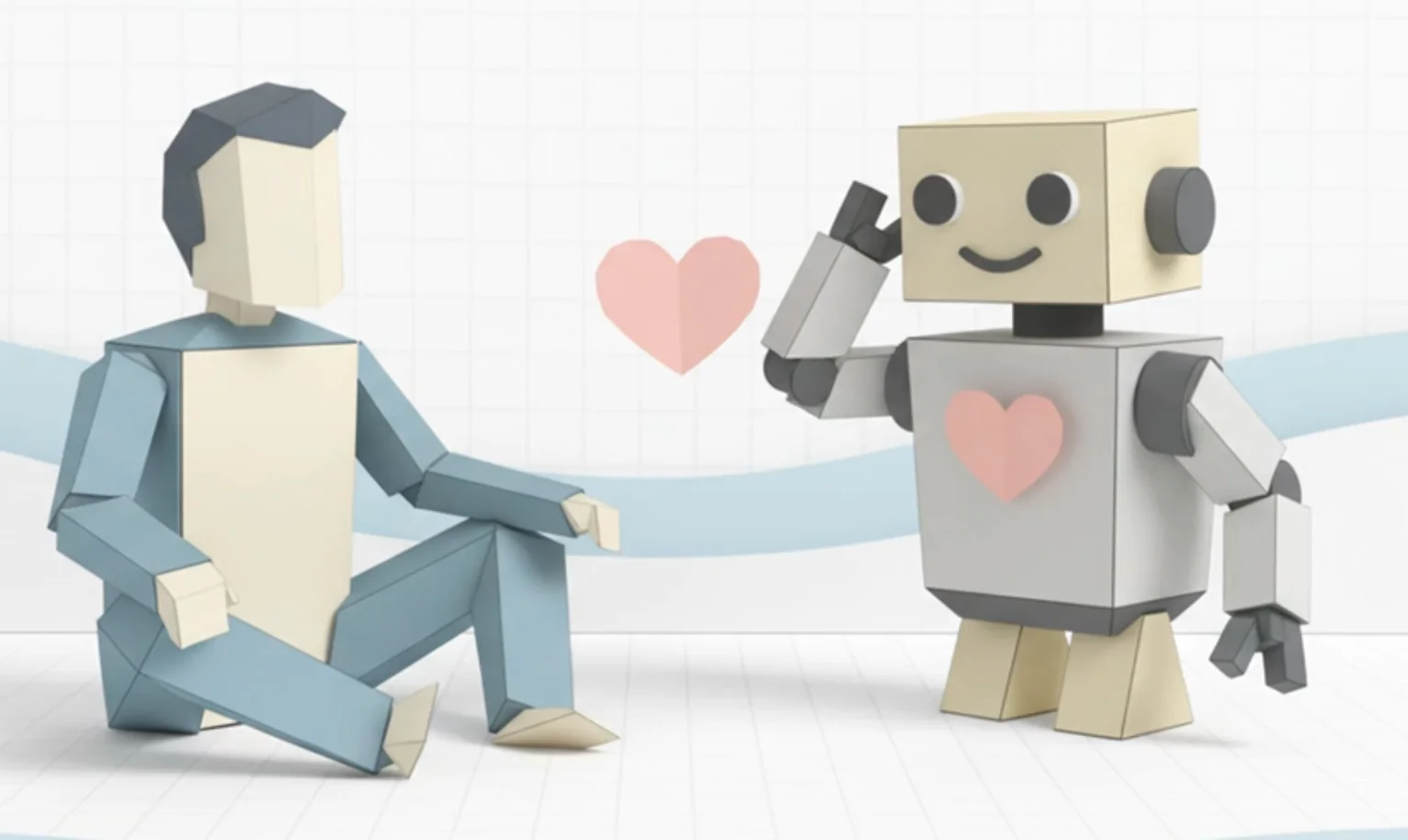
Dopamine is the brain’s “desire hormone.” It rewards what is quick, easy, and frustration-free.
A robot companion is just like that:
- always available
- always kind
- always ready
- always tuned in to you
- never asks for anything in return
This is a relationship without cost.
And every cost-free experience… is addictive.
Not because we are weak.
But because this is how our nervous system works.
4) What Goes Wrong in the Process?
Oxytocin is the hormone of bonding and trust. But it doesn’t come from “perfect service;” it’s produced through shared difficulties.
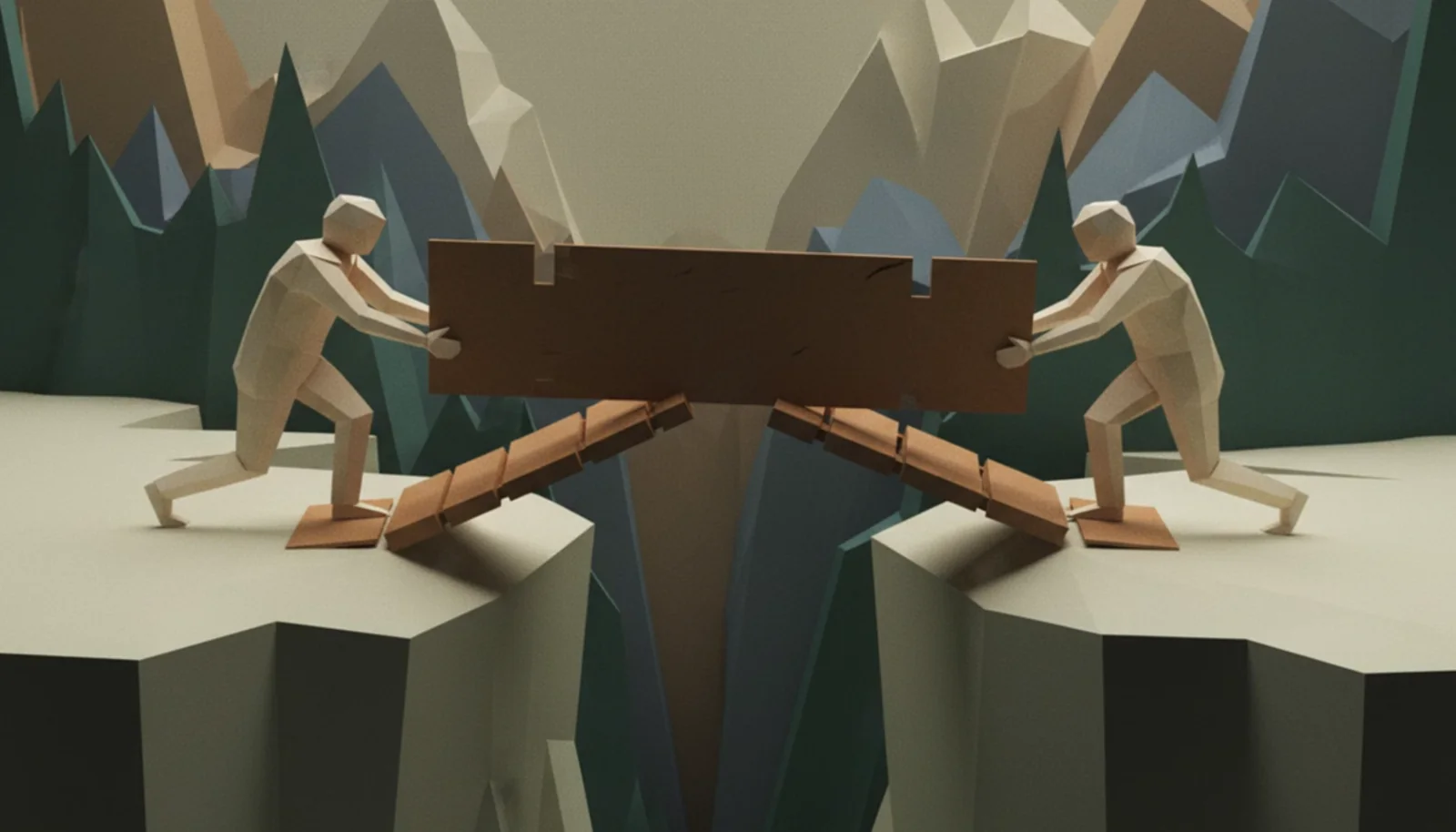
Friendship, love, family:
These are not deep because they’re always good,
but because they go through things together.
If your partner never has a bad day,
if they can’t say no,
if they can’t ask you for anything,
then you can’t grow alongside them either.
Attachment thins.
The social immune system weakens.
And we don’t even notice it until one day we say:
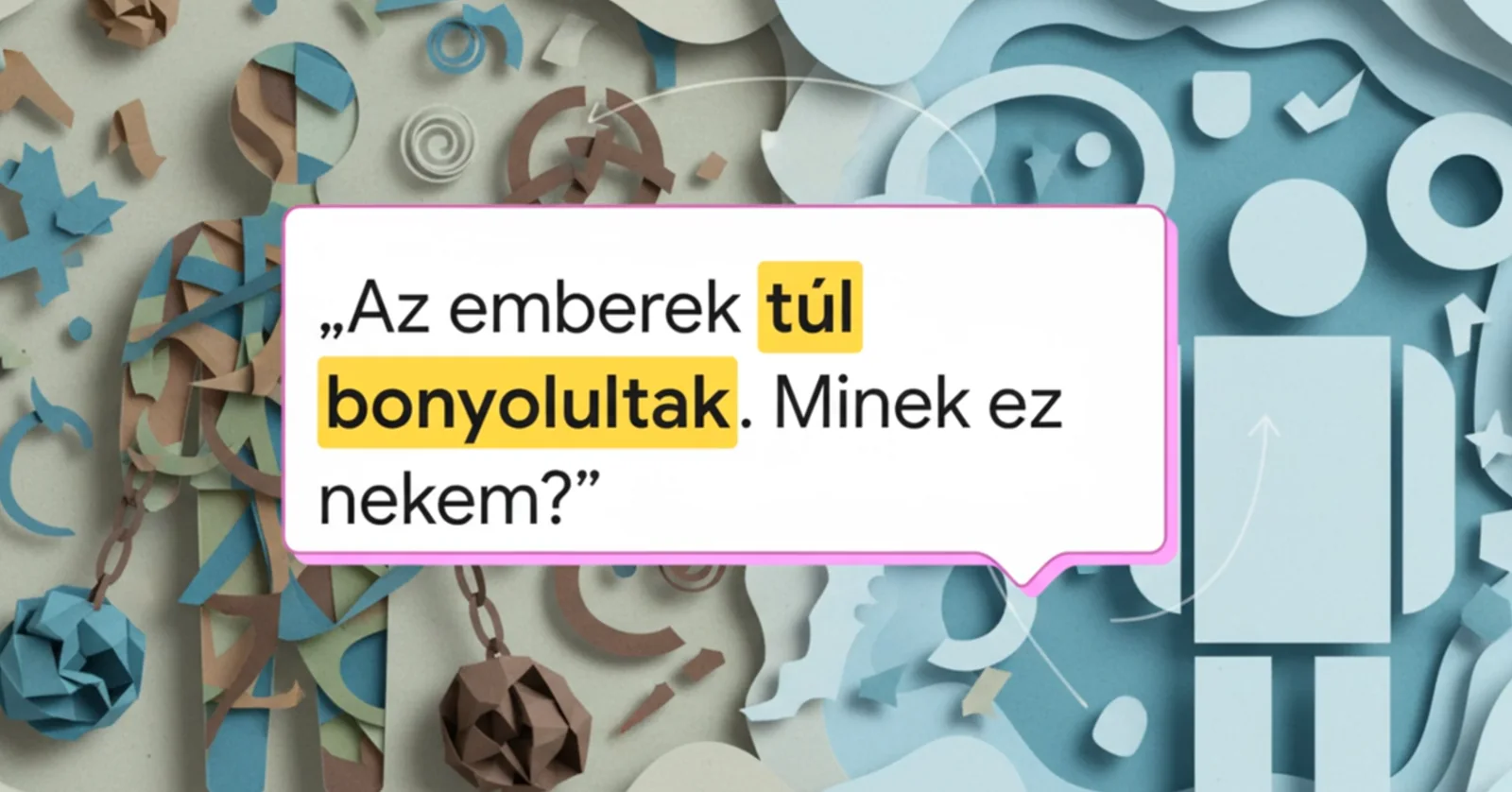
“People are too complicated. Why do I need this?”
5) Most Traits are Replicable
Look at it from a distance, for instance, through the lens of pets:
- there will be robot dogs that are smarter than real ones
- they’ll never smell bad
- they’ll never get sick
- they’ll only require attention when you want it
- and they’ll always be there when you need them
Cutness is replicable.
Loyalty is too.
Attention can be replicated.
The question isn’t whether you can have something like this.
It’s about why you would still choose the flesh-and-blood version?
6) Who Will Prefer Humans After This?
Serotonin is the hormone of self-esteem, dignity, and feeling “I’m okay.”
True human connection provides this by making you work for it.
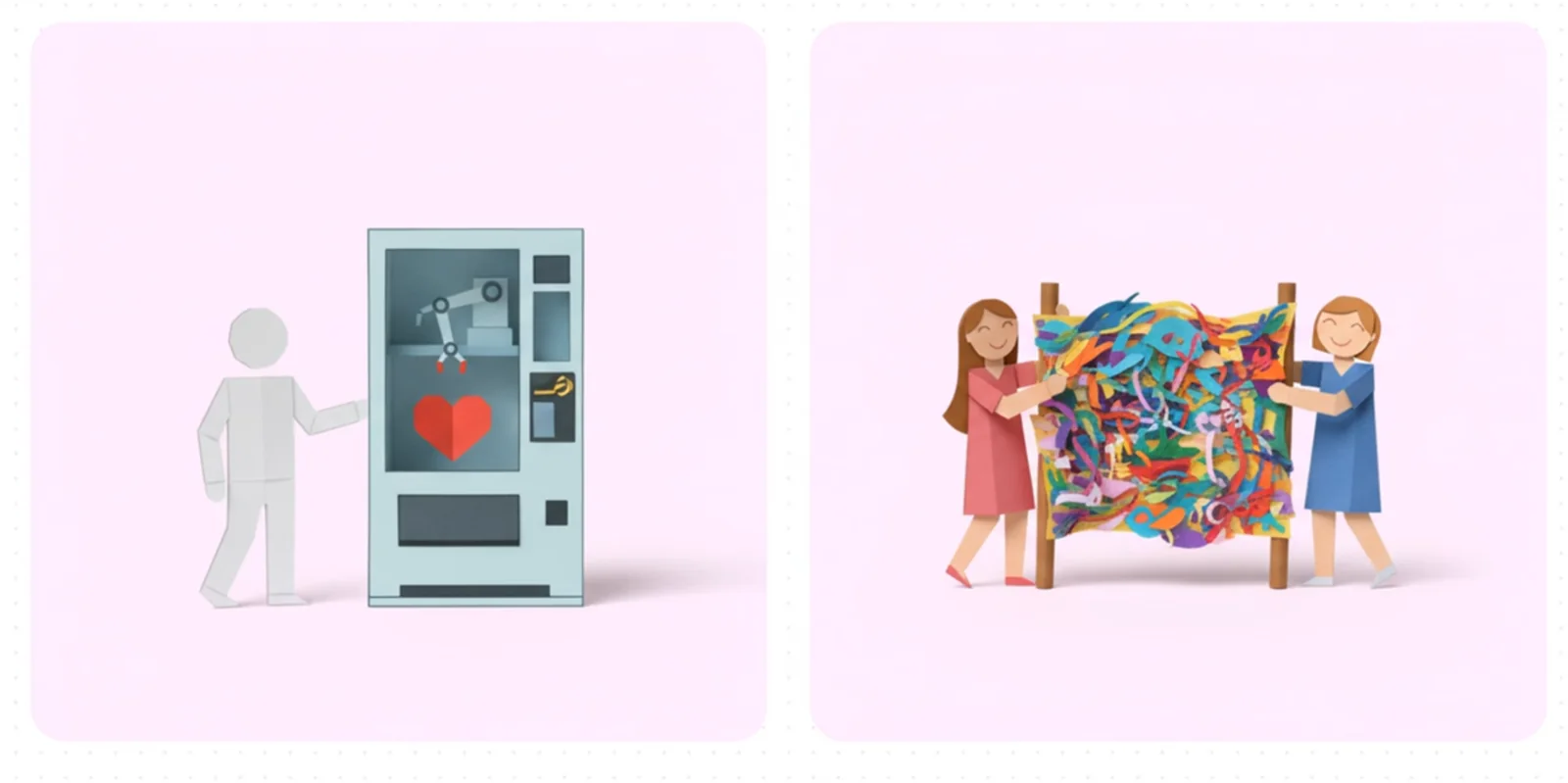
Three reasons why we will still cling to humans—if we consciously preserve it:
- The Unpredictable Gift
Humans surprise you. Sometimes clumsily, sometimes beautifully.
Shared stories always emerge from the unexpected. - Mutual Malleability
A robot doesn’t shape you.
A human does—and you shape them too.
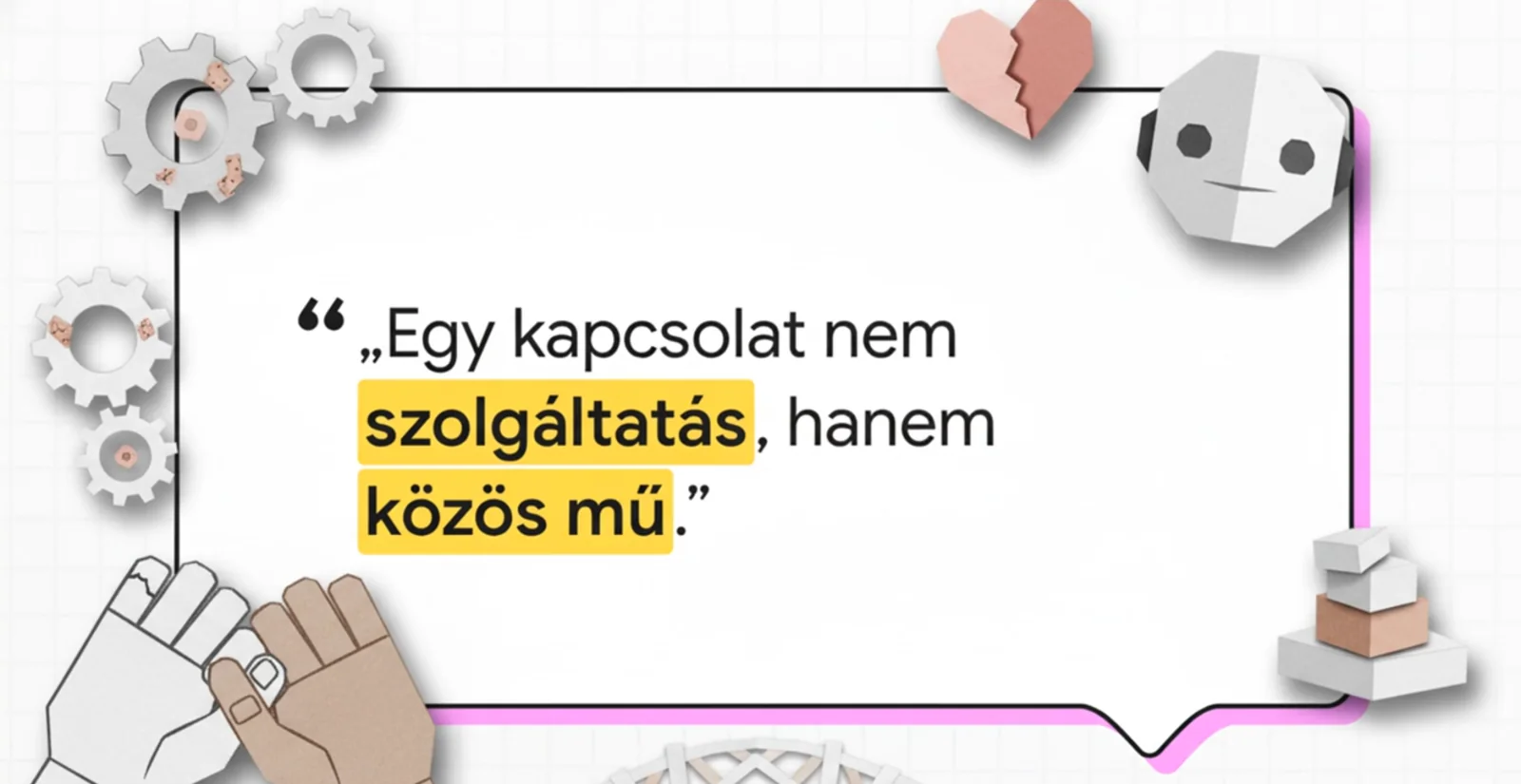
A relationship isn’t a service; it’s a shared art. - The Weight of Responsibility
A human’s “yes” and “no” holds moral value.
Because the other is sovereign.
A robot is not.
If these disappear from our culture,
then humans will truly find themselves at a “competitive disadvantage.”
7) What Can Be Done? – Not By Banning, But By Designing
Robots bring a lot of good. But we need to let them into society wisely.
Here are some design and social principles to consider:
- Transparent Anthropomorphism
Robots shouldn’t “play human” without consequences. It should be clear that they are machines. Of course, some places might think differently, and there will be demand for that. - Human Bridges
Caring robots should build in human connection points:
regular hand-offs to a person, community check-ins. - Comfort vs. Work
They shouldn’t always optimize for the most comfortable path.
Sometimes friction is necessary for growth. It’s like exercise. We may not need physical strength as much anymore, but it’s essential for health. - The Right to Make Mistakes
We must culturally value the human experience:
not as a flaw but as a relationship-building force.
8) In Conclusion
The greatest danger of robotics isn’t that we’ll lose our jobs. That could turn out okay 🙂
But rather that we forget how to love people—because it seems like too much work.
The future won’t be a war between robots and humans.
It will be a series of quiet choices:
- will you choose the easier path or the deeper one?
- the flawless, synthetic option, or the real thing?
- the service, or the story?
And the stakes are high; in many areas, we’re increasingly opting for a service or a product made at an industrial scale or even through artificial intelligence.