
Hyper Hype
As long as memes about any given topic are circulating on the internet, you can bet something’s about to blow up.
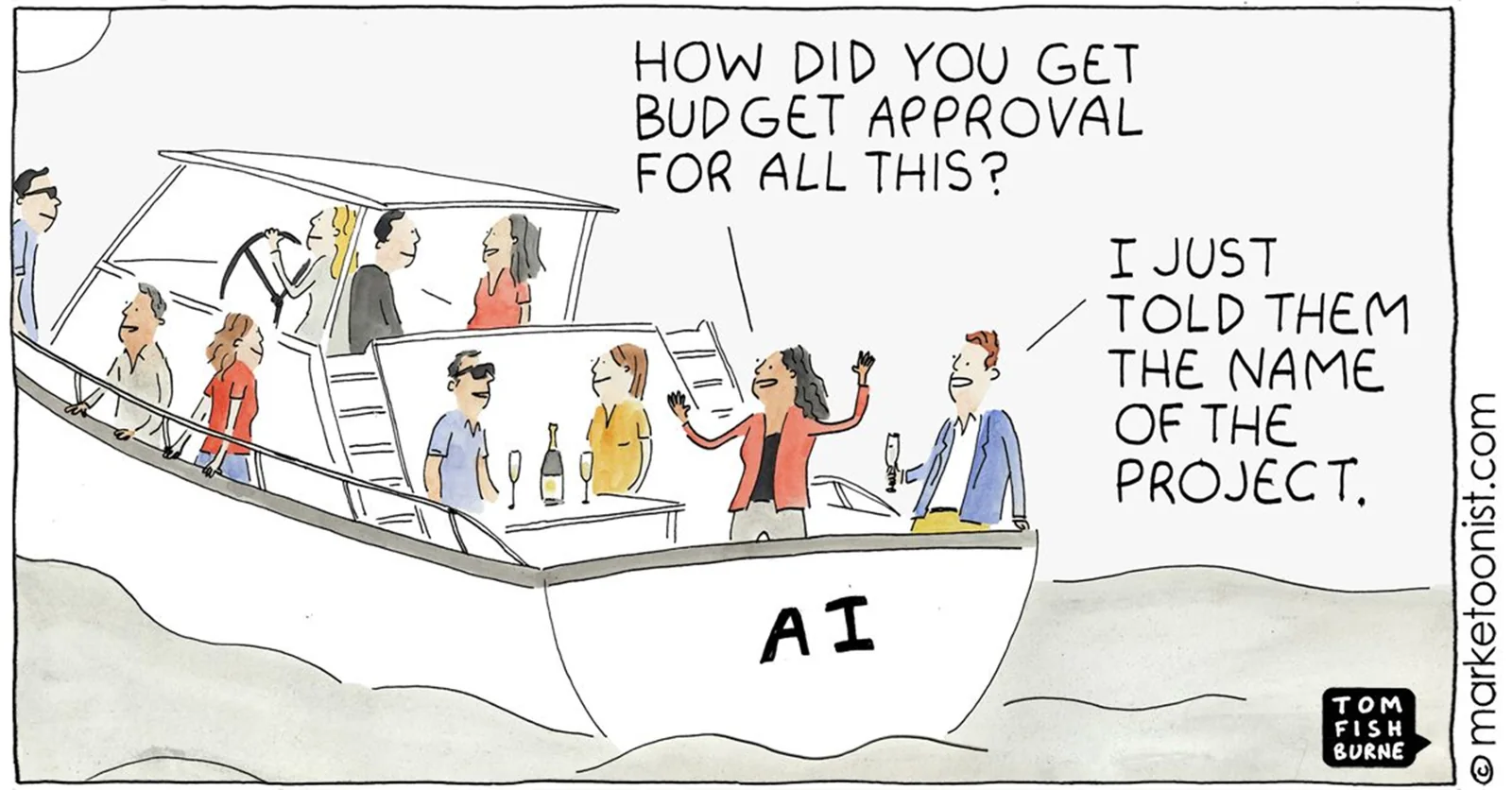
Or even better:

It seems like companies here have recently hit the peak of the hype curve. The bold have been pushing the pedal to the metal, diving into larger investments without even testing out services available for just a few bucks for a few weeks, or properly boxing up their tools. If developers haven’t communicated the AI’s capabilities clearly enough (think assistant tasks that could deliver 70-80% accuracy when optimized), they’re now left listening to complaints from the sidelines.
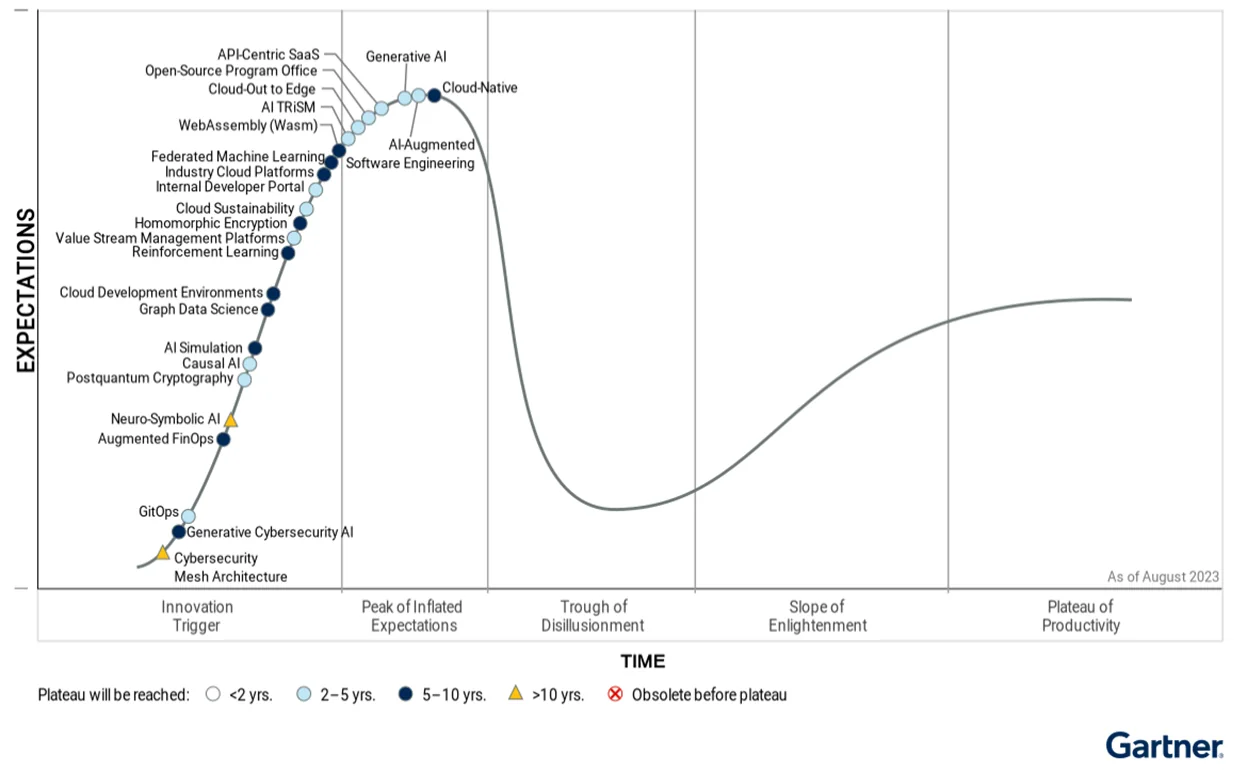
But this is a natural progression: major companies are pouring (learning) money into technology, which I believe is justified and good—but it still needs a bit of time to mature before it can really deliver. You might be feeling a bit let down by your custom-developed AI search solution (RAG search) or disheartened because CoPilot feels nearly useless. Take comfort in knowing that you were among the first to test it out, and by the time it’s ready to shine, it’ll be worth it. True, we might not even call it AI anymore; it will just be there, seamlessly integrated.
Will This Become the Next Dot-Com Boom?
I think there will be a bit of a boom, but not quite like before. Investor expectations are sky-high, jaw-dropping tech demos are popping up everywhere, and cash is flowing into showcase AI companies, with some stock prices skyrocketing by 50-230%. Yet, the market feels more mature than the early 2000s dot-com bubble; there are useful products, and the roadmap is clear and well-defined.
And I’m confident that this will turn out well for several reasons. First, in the realm of programming and programming support, I’ve noticed firsthand that we’re in a “cash cow” phase: we’re producing like never before.
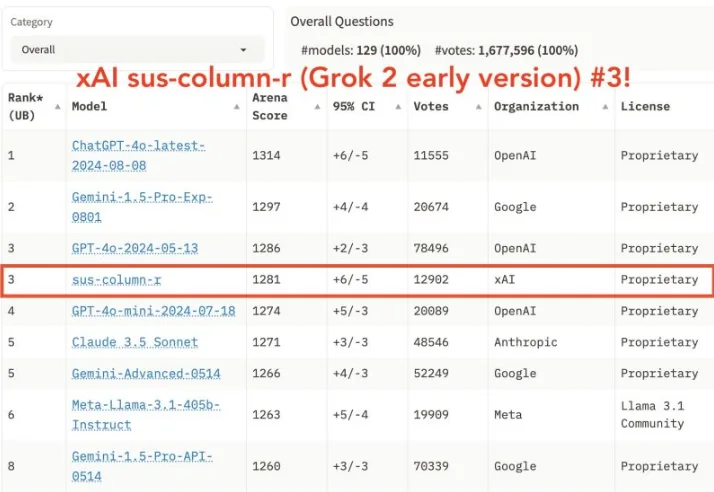
Second, it’s rare to see such a strong, healthy, and competitive environment in the tech sector. OpenAI, Google, Meta, Anthropic (some former OpenAI members), and now xAI (Elon Musk) all have GPT-4 or more advanced generative language models. If any of them falter (OpenAI recently lost some key players again), the world won’t come crashing down. (It would be nice to see that kind of resilience in the hardware powering AI, too.)
Let’s not forget that we’ve been successfully using various AI technologies for years (like Google Search), but let’s stay grounded, test thoroughly, stay vigilant, and manage our expectations flexibly. The results from the dot-com era have matured (communication, commerce, etc. have completely transformed), and we’re truly looking at a transformative technology that has the potential to bring about even more significant changes on our planet.