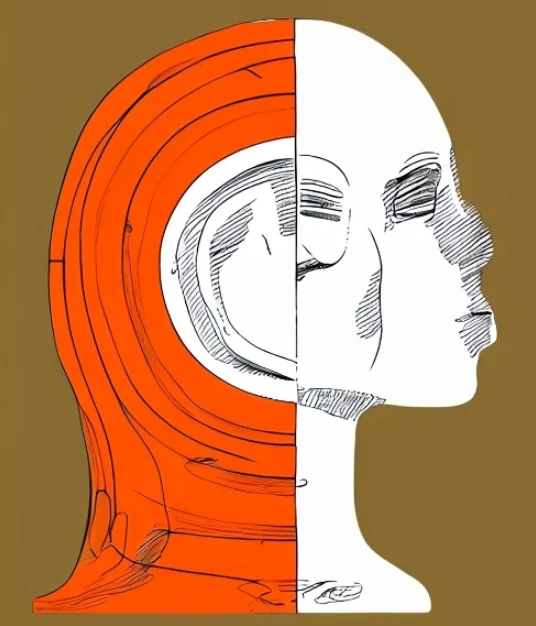
The rapid advancement of artificial intelligence (AI) raises numerous questions about humanity’s future and our self-image. As AI increasingly simulates human thought and action, many find themselves pondering deeper existential issues.
What Are We Really Afraid Of?
On the surface, common concerns like job loss or the “Terminator scenario” are just the tip of the iceberg. I often reflect on the question, “What should our children learn?” (my humble take on that is at the end of this article), but the real, deeper fears are much more philosophical and psychological in nature:
- Questioning Human Uniqueness: If AI can do everything we can, it reduces us to mere biological machines. What makes us special, a standout species, or—if you will—creatures? It calls into question what sets us apart from just “flesh and neurons.”
- The Nature of Human Consciousness: If an AI can simulate human thought and behavior, it raises the question: what exactly is consciousness, and can it exist in a machine form?
- The Ultimate Victory or Defeat of Materialism: If a machine can replicate the human mind, it could signify materialist philosophy triumphing over dualist views that uphold the mind-body distinction. This begs the question: is there anything that makes us more than lifeless matter? Is there a transcendental connection that only the human soul can possess?
How Do We Answer These Questions?
AI also holds a mirror to us (it learns from us), and its development opens up new avenues of inquiry, helping us better understand our minds, our thinking, our learning, and ultimately, on an existential level, what we are.
As for what our children should learn? They should learn to live, learn, and engage with what interests them in a happy, positive, correct, and adaptable way. We hope they can pursue this, whether for making a living or simply for their own enjoyment.