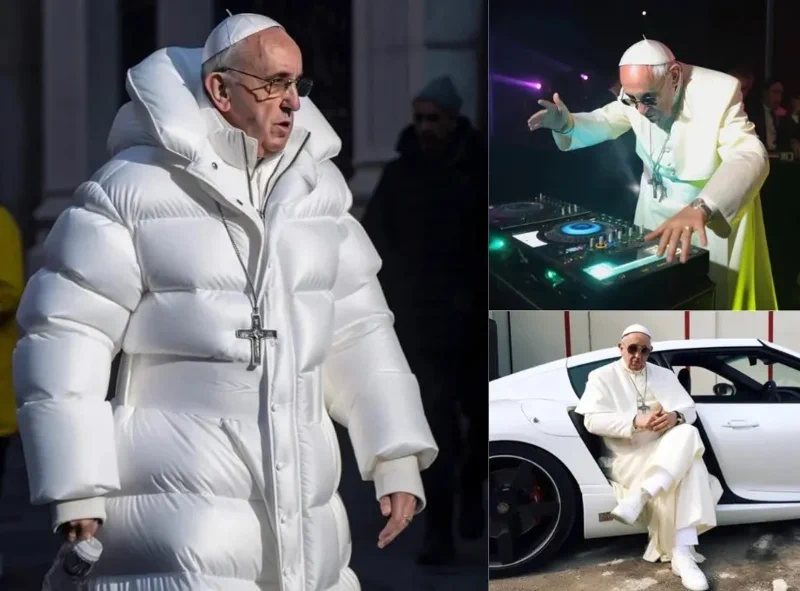
I’m probably being a bit naive here, but when I see a “photo” or video of someone, my brain tends to accept it at face value right off the bat. Of course, context matters, and any suspicious elements can definitely raise my doubts, but in that initial moment, it’s like a reflex for me—unless I dig deeper.
I’m pondering whether this could change, and if so, how it might reshape the way we consume and think about media content. I’m not just talking about family photos here. Is society fully aware of how low the threshold has become for creating lifelike fakes?
Last year, I campaigned for us to label AI-generated content and sources on social media platforms, but that’s just scratching the surface. I really doubt we can enforce this effectively (I hope I’m proven wrong).
Even more crucial might be
- verifying the credibility of (public) sources—perhaps we could develop a service that seeks out initial sources, or revitalize something like Twitter’s Community Notes for community-led fact-checking, and
- marking the originality of content—digitally signing it, using encryption keys, or employing blockchain technology for verification.
On the flip side, it will be much easier to dismiss a damning video as fabricated, making it more challenging to prove the authenticity of something…