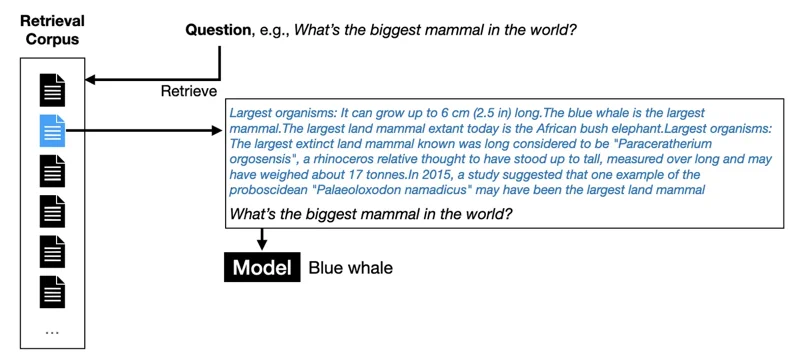
OpenAI’s ChatGPT didn’t just break the internet; it rewrote the rules of the game. But while the world was obsessing over the original, Microsoft was busy in its Redmond lab, fine-tuning its own flavor of the tech: the “new Bing,” or Bing Chat. The fundamental divide? While ChatGPT is essentially a scholar whose library card expired in 2021, Bing is plugged directly into the pulse of the planet, crawling the web in real-time to weave current events into its DNA.
The stakes of this difference are higher than you might think. Take tech analyst Dave Lee, for example. Using his $20-a-month ChatGPT Plus subscription, he asked the model to break down Tesla’s Q4 2022 earnings report by providing the PDF link. At first glance, the AI delivered a polished summary. The catch? It was a total hallucination. ChatGPT didn’t actually “read” the data; it simply improvised a convincing narrative based on the document’s title and the prompt’s context. It was pure fiction dressed up as financial analysis.
https://twitter.com/heydave7/status/1626444184608559104
To its credit (or perhaps thanks to a recent safety patch), the model has started pushing back on requests to play financial psychic for future reports:
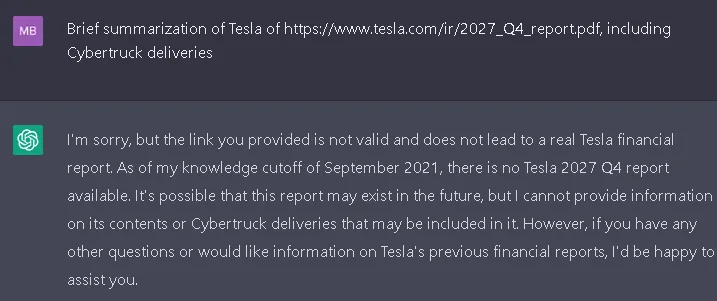
It seems it’s finally developed a sense of time.
Bing Chat, on the other hand, operates on a different frequency. Instead of guessing, it searches. When hit with the same query, it scours the latest analyst takes and financial news sites to synthesize a response based on what’s actually happening in the world right now.
Test - ChatGPT vs. Bing Chat v0.1
The one “holy grail” neither side has quite mastered natively is the ability to deep-dive into specific, user-provided PDF documents on the fly. However, the ecosystem is moving fast, and specialized tools like AI asszisztens are already stepping in to bridge that gap.