Let’s face it: most robots today are a bit of a liability. They are ham-fisted brutes that have to guess how hard they’re pushing by measuring motor current—a method that’s about as precise as trying to perform surgery while wearing oven mitts. Enter Silica Machines, a startup out of the Founders, Inc. stable, which is looking to cure this robotic numbness once and for all. Their new actuator measures force directly, promising a ten-fold leap in accuracy compared to the clumsy status quo.
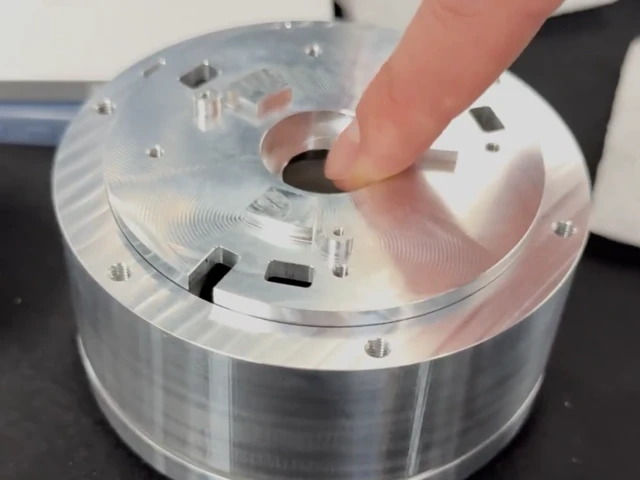
The secret sauce here is a shift from guesswork to genuine precision. Instead of relying on noisy, indirect electrical signals, Silica Machines has baked sensors directly into the actuator’s internal architecture. This provides a clean, high-fidelity feed of exactly what’s happening at the point of contact. In a demo video shared on X, a simple finger press on the device triggers a remarkably fluid, compliant response. By fundamentally rethinking the mechanical guts of the unit, the company claims it can offer this level of “proprioception”—a robot’s sense of its own body and the forces acting upon it—without the eye-watering price tag usually associated with high-end hardware.
The actuator itself, a sleek bit of kit housed in machined aluminium, is designed to be an affordable, “drop-in” solution for manufacturers. The goal is to move force-sensing from a luxury “optional extra” to a standard feature for every robot on the line.
Why does this matter?
For decades, giving a robot a human-like sense of touch has been something of a holy grail. However, the sheer cost of high-performance force sensors has meant this capability was largely restricted to elite research humanoids and niche industrial arms. Most robots currently out in the wild are effectively “numb,” which is why they struggle with anything requiring a bit of finesse—be it delicate assembly, picking soft fruit, or safely assisting a human.
If Silica Machines can deliver on its promise of affordable, high-accuracy sensing, it could fundamentally rewrite the economics of the industry. It’s the key to a future where robots can handle fragile objects without crushing them, manage complex tasks by “feel,” and work alongside humans without being a constant safety hazard. This isn’t just a minor iteration; it’s the foundational tech that might finally stop robots from acting like a bull in a china shop.