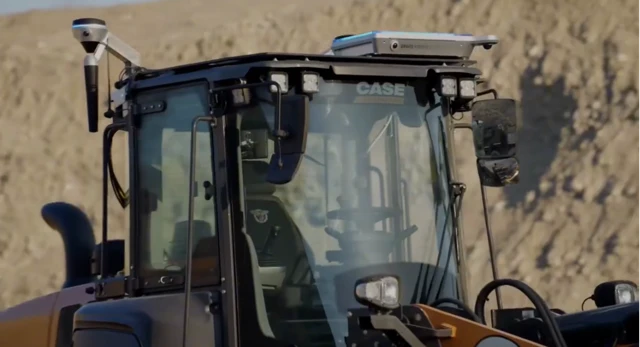
In a move that injects a serious dose of capital into the decidedly unglamorous world of muck-shifting, Gravis Robotics has bagged a staggering $200 million (£155 million) in Series A funding. The round, led by SoftBank, marks the largest Series A in the history of construction robotics and signals a massive bet that AI’s next frontier isn’t the office, but the chaotic, muddy, and unpredictable building site. Spun out of the prestigious ETH Zurich in 2022, Gravis is performing a digital brain transplant on machines that haven’t fundamentally changed in over half a century.
Most AI-powered robots are, frankly, a bit precious. Self-driving cars rely on paved roads, and warehouse bots need flat, polished concrete to get anything done. An excavator, however, performs a kind of brute-force ballet by intentionally smashing into its environment. Its entire purpose is to violently reshape the world—digging through stubborn clay, shifting rocks, and navigating debris. Every scoop of the bucket creates a brand-new, unknown landscape, a variable that usually makes autonomous navigation a total nightmare. This is the core challenge Gravis is looking to solve.
Rather than simply navigating a static world, the Gravis AI platform is built to understand and manipulate a dynamic one. The company’s models are trained on what it describes as “billions of cubic yards of simulated earth,” allowing the AI to generalise its understanding across everything from soft silt to dense, rock-heavy soil. Crucially, the system is hardware-agnostic, designed to be retrofitted onto existing fleets from various manufacturers. This means construction giants don’t need to shell out for an entirely new fleet of futuristic machines; they can simply upgrade the “dumb muscle” they already own.
Why does this matter?
The timing for this cash injection is vital. The world is currently staring down a monumental infrastructure crisis, with an insatiable demand for new data centres, upgraded energy grids, housing, and transport links. This demand is crashing head-first into a chronic shortage of skilled labour across the construction sector. In this context, automation isn’t just a fancy luxury; it’s a necessity. Gravis Robotics’ $200 million war chest is a clear signal that investors believe AI-powered heavy machinery is the only way to build the future without breaking the bank—or the backs of a dwindling workforce. It is the beginning of bringing factory-floor precision to the great, messy outdoors.