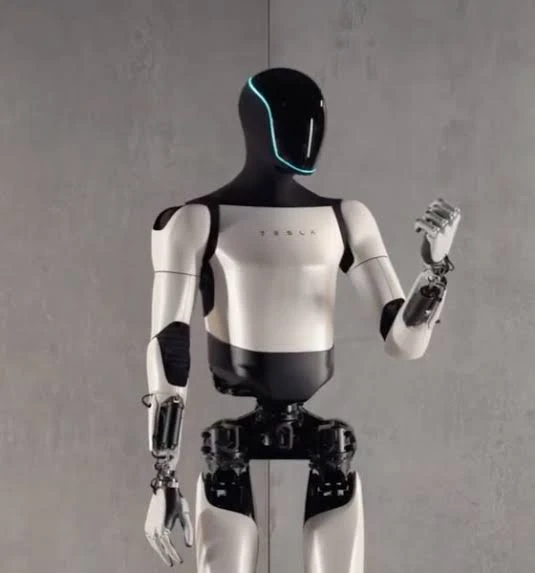
Tesla, Inc. is reportedly gearing up to inundate the world with humanoid robots, setting out ambitious production targets for its Optimus project that could see it building capacity for up to 100,000 bots annually by the close of this year. The move signals a seismic shift from research and development to full-throttle mass production for the audacious programme.
According to sources within the supply chain, Tesla has issued directives to its suppliers, instructing them to brace for a capacity of 1,000 units per week by September 2026, before scaling up to between 2,000 and 2,500 units per week by December. The report also notes that initial orders for several hundred units are already lined up for August, suggesting the production lines – housed in the former Model S/X space at the Fremont factory – are starting to hum.
This sudden manufacturing drive allegedly follows a personal sign-off on the latest Optimus iteration – presumably Optimus Gen 3 – by CEO Elon Musk in late June. After more than three years in the R&D hothouse, this approval appears to have kicked things into high gear, moving from lab curiosity to factory floor staple. In a development that will surprise precisely no one, Musk reportedly backed this directive with a rather pointed ultimatum: hit those year-end targets, or the entire Optimus procurement department will be given their marching orders.
Why is this important?
If these supply chain whispers are true, Tesla isn’t just building a robot; it’s building a legion. A production capacity of 100,000 units a year would utterly eclipse the entire existing humanoid robotics market, potentially transforming a niche sector into a mainstream industrial powerhouse overnight. While Musk has managed public expectations, stating that the initial production ramp will be “extremely slow,” the internal targets, however, paint a picture of far greater urgency. The “fire everyone” ultimatum, whether a genuine threat or a dramatic flourish, signals an unwavering conviction that Optimus is ready for the big leagues. The rest of the robotics industry, which typically measures progress in single-digit prototypes, may soon have to contend with a rival that measures output in the tens of thousands.