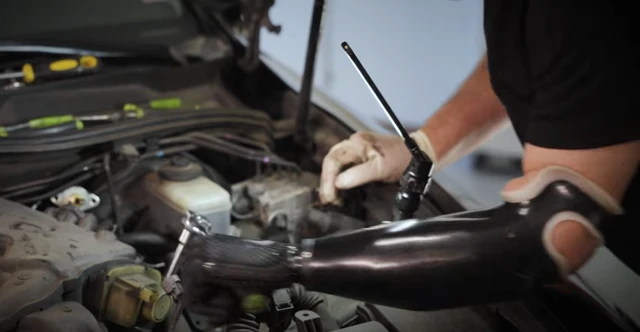
For decades, industrial robots have been the heavy lifters of the factory floor—brilliant at lugging car chassis around, but absolutely rubbish at picking up a scotch egg without turning it into breadcrumb confetti. ABB Robotics reckons the solution isn’t more code, but a bit of human biology. The automation giant has announced a clever collaboration with PSYONIC to use its sensor-packed Ability Hand—a piece of kit usually reserved for bionic prosthetics—to finally teach robots what a delicate touch actually feels like.
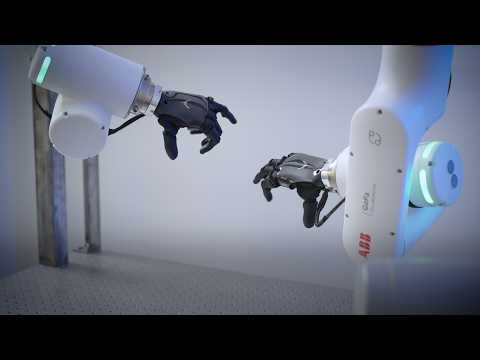
The plan is as elegant as it is unorthodox: take the same bionic hand used by hundreds of amputees in their daily lives and mount it onto an ABB GoFa cobot. This creates a direct pipeline, feeding a deluge of real-world touch, pressure, and grip data from human-led movements straight into the robot’s learning model. The goal? To train a new generation of “physical AI” capable of handling the messy, unpredictable objects that have stumped traditional automation for years.
“Dexterous manipulation is ultimately a data challenge as much as a hardware challenge,” explained Dr. Aadeel Akhtar, Founder and CEO of PSYONIC, in the official announcement. The Ability Hand, which has already been put through its paces in research by the likes of NASA and Meta, is one of the most advanced prosthetics on the market, boasting haptic feedback that allows users to “feel” their surroundings. By pairing this human-tested hardware with the industrial precision of ABB’s GoFa robot, the partnership aims to translate human finesse into reliable robotic performance.
Why does this matter?
This is a full-frontal assault on one of the biggest remaining hurdles in the world of robotics: the “irregular object” problem. Most factory grippers are little more than basic, blunt pincers. Teaching a robot to handle fragile, soft, or oddly shaped items could blow the doors wide open for automation in agriculture, e-commerce fulfilment, and food processing—sectors that, until now, have had to rely almost entirely on human hands.
The International Federation of Robotics (IFR) estimates that advanced gripping tech could slash engineering time by up to 30%, but the real prize is the market expansion. By essentially crowdsourcing dexterity data from prosthetic users, ABB and PSYONIC might have just stumbled upon the ultimate shortcut to giving robots a much-needed human touch.