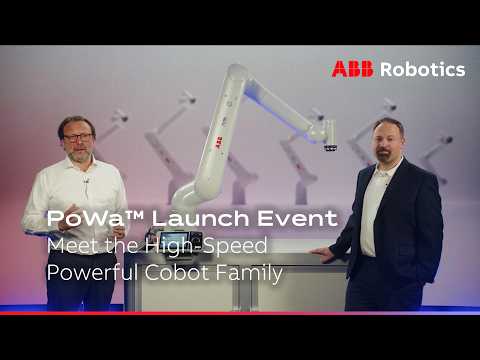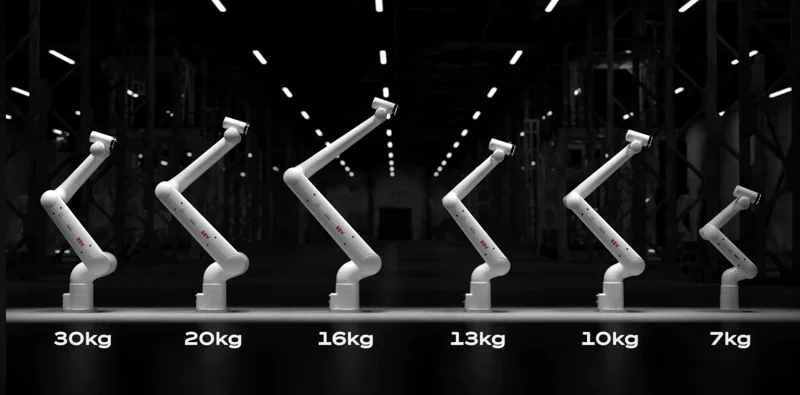
ABB Robotics has officially lifted the lid on its new PoWa™ cobot family, a range of collaborative arms engineered to bring some proper industrial-grade grunt to a segment of the market that’s often felt a bit, well, dainty. Announced from its Zurich headquarters, the Swiss giant is making a calculated play to bridge the divide between polite, lightweight cobots and their uncompromising, caged-off industrial cousins. The new line-up boasts payloads ranging from a nimble 7kg to a proper 30kg heavyweight, with a blistering top speed of 5.8 m/s.
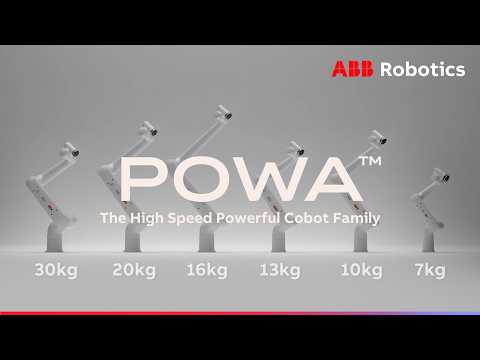
This isn’t just a shiny new coat of paint. ABB is directly tackling what it calls a “persistent market gap” for firms that need more oomph than a standard cobot provides but want to avoid the sheer complexity of traditional industrial robots. The PoWa family is driven by ABB’s versatile OmniCore™ controller platform, aimed squarely at everyone from ambitious SMEs to manufacturing titans looking to automate heavier, faster tasks without tearing up the floorplan. The OmniCore system itself is a bit of a masterstroke, offering up to 20% energy savings and a toolkit of over 1,000 hardware and software functions.
Why should we care?
The collaborative robot market is absolutely booming, with analysts whispering about compound annual growth rates of 30% to 40% through to 2028. To date, however, most of that action has been confined to the sub-10kg “lightweight” category. ABB’s PoWa line is a clear signal that the next frontier for cobots lies in high-performance applications where speed and strength are non-negotiable. By pushing payloads up to 30kg—territory usually guarded by industrial heavy-hitters from the likes of FANUC and KUKA—ABB is betting that “collaborative” doesn’t have to mean “compromised.” It’s a move that will likely force the rest of the industry to bolster their own offerings, further blurring the lines between robot classes and giving manufacturers more flexible, powerful tools to play with.